"Shine Online"
What Is SEO And Why Is It Important?
You’ve probably heard a hundred times that Search Engine Optimization (SEO) is a vital digital marketing tool, but even if you have a basic understanding of what it entails, you may still not have a solid grasp on this complex and multifaceted creature.
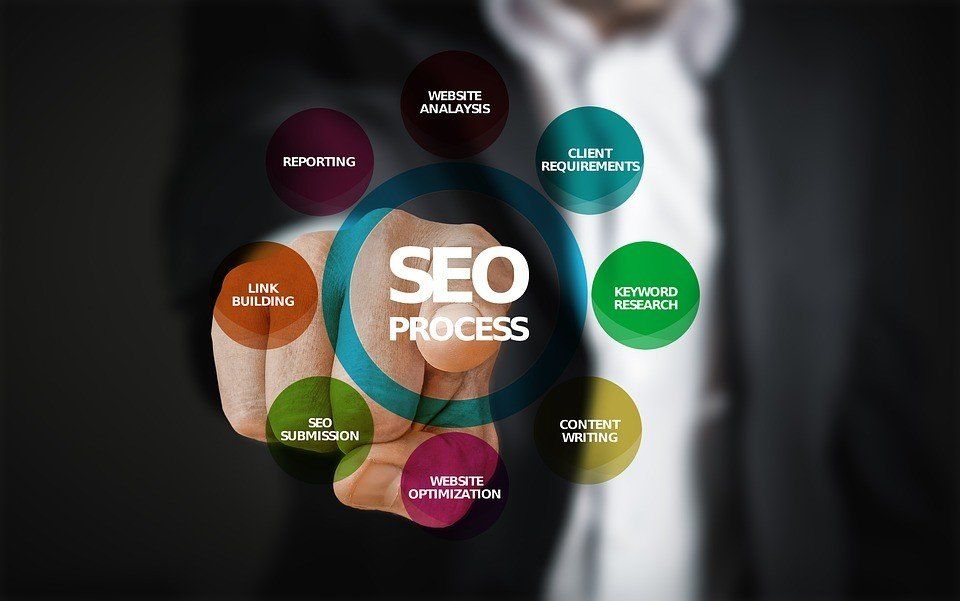
SEO is made up of multiple different elements, and knowing what they are and how they work is key to understanding why SEO is so important. In short, SEO is significant because it makes your website more visible, and that means more traffic and more opportunities to convert prospects into customers.
Beyond that, it is also a valuable tool for brand awareness, building relationships with prospects, and positioning yourself as an authoritative and trustworthy expert in your field. So without further ado, here's everything you need to know about SEO and why it’s vital in today’s digital world.
The Crucial Elements of SEO
Keywords
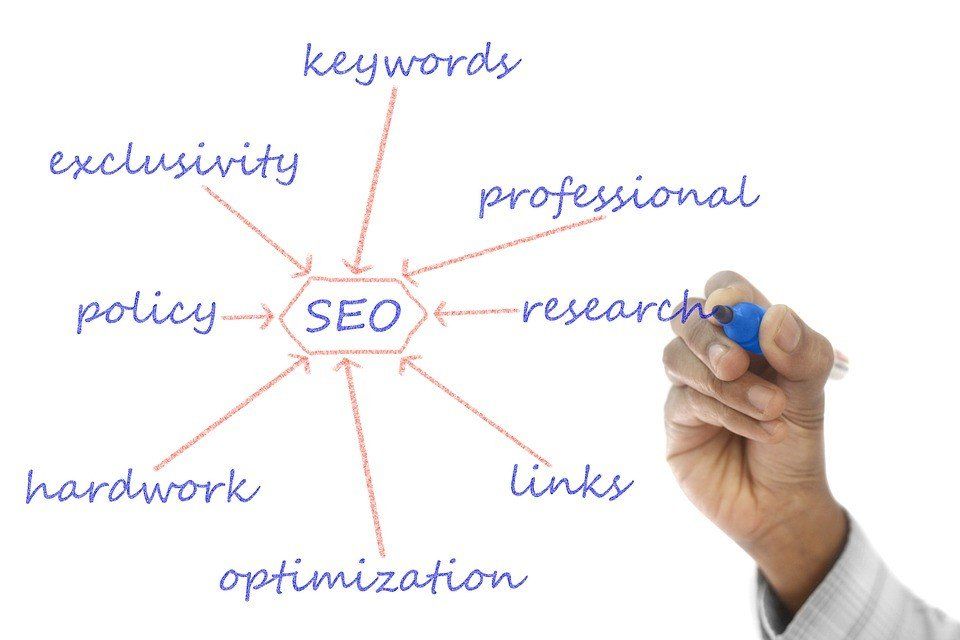
Long gone are the days when keywords were the only SEO technique that mattered, but that doesn’t mean they aren't still crucial. The difference is that today, keywords must be well-researched, carefully chosen, and judiciously used in your content in order to be effective. But what are keywords, exactly? Keywords are words and phrases that prospects use to find online content, and that brands can then use to connect with prospects who are looking for their products and services.
When researching keywords, it’s important to look for ones that have high search rates and low competition and to choose short-tail keywords (such as dog), long-tail keywords (such as terrier puppies for sale), and local keywords (such as puppies for sale in Boston) to work into your content. You can also use keywords to optimize all your titles, URLs, and other on-page SEO elements (more on that later).
Content
Content is a vital part of SEO because it’s the vehicle you use to reach and engage audiences. For instance, if you owned a nursery and wanted to increase your visibility, you might publish a series of blogs about gardening, choosing the right species of plants, growing tips, and more. When a person who wanted to know about gardening went looking for that information, your blog would come up, and you'd be able to build a relationship with that prospect by providing valuable information. When the time came for that prospect to buy a plant, for instance, you’d be the first nursery that came to mind. Today’s content must be educational, but also interesting, relevant, engaging, and shareable. Content comes in a variety of forms, including:
- Web page content
- Videos
- Blogs
- Infographics
- Podcasts
- Whitepapers and e-books
- Social media posts
Off-Page SEO
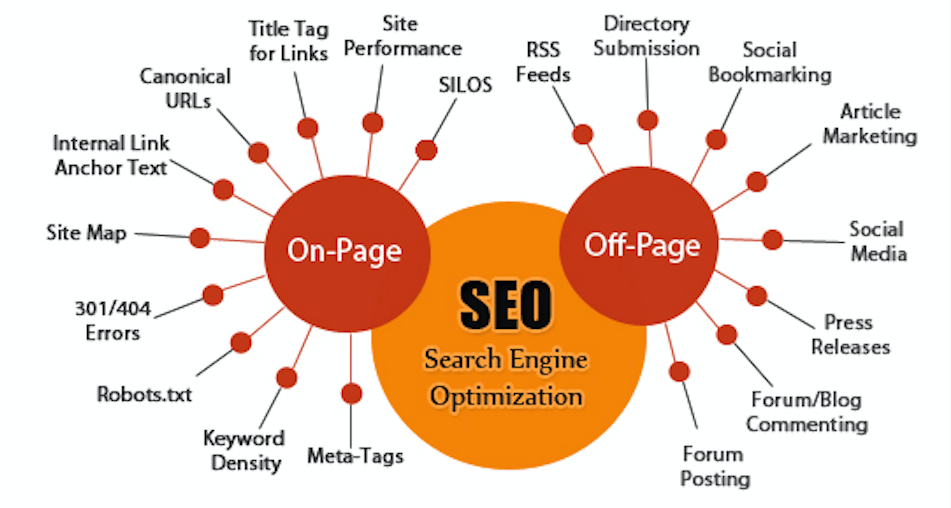
Off-page SEO involves external optimization practices that happen away from your site rather than on it. The main technique used for off-page SEO is backlink building since quality backlinks to your site from external sites tell search engines that your site is valuable and high-quality, and this builds authority.
There are many tactics to backlink building, and some of the current best practices include guest blogging, creating lots of infographics that will be highly shared, and mentioning influencers in your content.
On-Page SEO
On-page SEO is making sure Google can find your web pages so they can show them in the search results. It also involves having have relevant, detailed, and useful content to the search phrases you’re trying to show up for.
Local SEO
Local SEO is becoming increasingly important as more and more people use mobile devices for search. These days, 57% of all searches are performed from tablets and smartphones, and half of those searches have local intent.
If you owned a restaurant, for instance, then local SEO would ensure that when people in your area went looking for the best restaurants in town, they’ll come across your site. Along with using local keywords, other local SEO best practices include claiming directory listings, creating location-specific pages for your site, and creating pages for your business on Google My Business, Google+, and Google Maps.
Search Engine Marketing
Search engine marketing (SEM) refers to paid marketing efforts, and it includes things like native ads, Google AdWords, social media ads, pay-per-click, Google shopping ads, display ads, and more.
Although SEM isn't usually a major component of a comprehensive SEO strategy, it does have its place because it can help you reach new and highly targeted audiences.
Understanding the Importance of SEO for Modern Businesses

Visibility and Rankings
One of the most important functions of SEO is increasing visibility, which means making it easier for prospects to find you when they search for something you have to offer. Visibility is directly related to your ranking.
The higher you rank on a search engine result page (SERP), the more likely prospects are to see you and click through to your site. The more effective your SEO efforts, the higher your ranking and the better your visibility, which is especially important when you consider that a quarter of web users never click past the first SERP.
Web Traffic
Increased web traffic is one of the main goals of SEO, and you increase traffic when you increase visibility and rankings. Consider this for a moment: nearly 33% of clicks go to the first ranking page, and the first five listings get over 75% of all clicks.
If you want more prospects to find your website through a search engine, then you need SEO practices that will help you rank among the top five positions, and ideally number one.
Authority
The concept of authority is relatively new in SEO, but it’s becoming increasingly important to search engines because it’s becoming more important to web users. Essentially, authority means that your website is trustworthy, high quality, relevant, and has something to offer. The more authority your site has, the higher your ranking will be, and the more prospects will come to trust your brand.
Creating a Better Visitor Experience
Another reason SEO is critical is because all the time you put into generating great content and optimizing your site with on-page SEO improves the usability of your site, and this creates a seamless and positive customer experience.
For instance, when you take steps to make your site responsive, it will make it usable for all your mobile visitors as well as people who visit from a laptop or desktop. Similarly, by increasing your page load speed, you'll reduce your bounce rate and encourage visitors to spend longer on your site. Nearly 50% of consumers expect a page to load within two seconds, and the longer the load time, the higher the bounce rate and the lower your conversions.
Growth
In the end, the ultimate reason SEO is essential is that it can help you achieve many of your business goals. SEO can help you build better relationships with your audience, improve the customer experience, increase your authority, drive more people to your site, give you an edge over the competition, and increase conversions, which means more sales, more loyal customers, and more growth for your business.
Search Engines Are Fallible

A final note that’s worth mentioning is that SEO is important because search engines aren’t perfect, and if you don’t take steps to counter their failings, then your website will pay the price.
For example, if a site doesn’t have a proper link structure, then search engines may not crawl and index the site properly, and this can lower rankings. Moreover, coding errors can block search engines entirely, making it impossible for your site to rank, no matter how much time you put into other SEO efforts. Other common areas where search engines can run into problems include:
- Duplicate pages
- Forms
- Images, flash, audio files, video, and other non-textual content
- Language and Semantics
Final thoughts
As you can see, SEO is a complex undertaking that involves many different techniques, tactics, and best practices. Moreover, these best practices are always evolving as consumer and web-user behaviors change, as new technologies emerge, and as search engines change their algorithms. That being said, SEO is still of the utmost importance for any business that wants to be visible online, so your efforts are well worth it.
SEO can help a business accomplish a number of goals, including ones involving brand awareness, traffic, conversions, customer experience, and much more, which is why it’s so important for digital marketers to have a solid grasp of what SEO is, how it can help achieve goals, and what the most cutting-edge best practices are.
Editor: Aubree Russell

Register for 805 Reviews. Get your business listed for FREE. Promote your event, business, deals, and much more. This is a mobile APP and Website that is a MUST HAVE